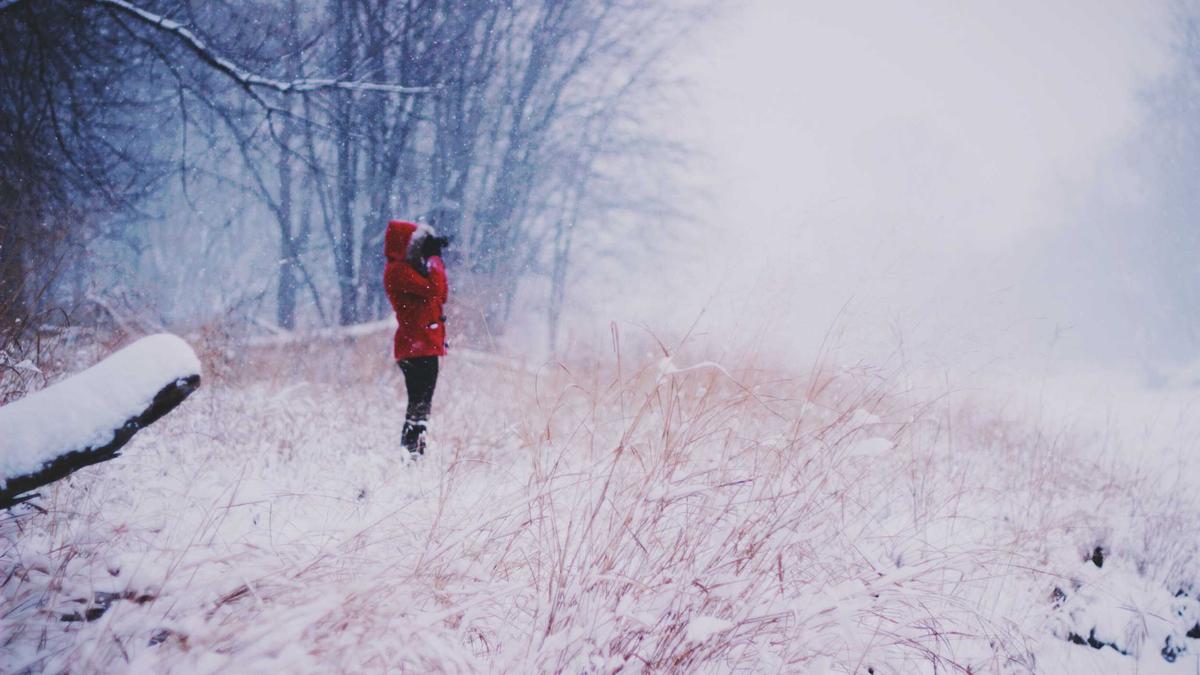
A Layering System for Cold, Wet Hill Days

On a cold, wet, windy hill you can be soaked from rain or soaked from your own sweat, and both leave you dangerously cold. The fix is not one thick coat. It is a layering system you actively manage. This guide shows you how to build and adjust layers for the wet, windy conditions common around Brynafon, so you stay warm on the tops without cooking on the climb.

Why layers beat a single warm coat

Your body produces a lot of heat going uphill and very little standing at a windy summit. A single heavy coat cannot handle both. Layers let you add and remove insulation to match your effort, and each layer does one job: move sweat, trap warmth, or block wind and rain. The skill is not owning the layers. It is changing them before you get too hot or too cold.

Base layer: move sweat off your skin

The base layer sits against your skin and moves moisture away. Synthetic or merino wool both work. The rule that matters most: no cotton. Cotton holds water, stays wet, and chills you fast once you stop moving. A wet cotton shirt under a shell is a common and avoidable cause of feeling cold all day.

Mid layer: trap warmth, stay breathable

The mid layer holds warm air. A fleece or a light synthetic insulated top works well because both keep some warmth even when damp. On the climb you may carry it; at rest stops and on the tops you put it on. Carry one you can add and remove easily rather than a single bulky item.

Shell: block wind and rain

The outer shell stops wind and rain, which is where most of your heat is actually lost on an exposed ridge. A waterproof, breathable jacket with a proper hood and pit zips is ideal, because the zips let you dump heat without taking the jacket off. Wind is the quiet killer here: even light rain plus strong wind strips warmth quickly, so the shell earns its place even when it is not raining hard.

Manage the layers, do not just wear them

The core habit is to adjust early. Start the climb slightly cool, because you warm up within minutes. Strip a layer before you are dripping, not after. Add a layer the moment you stop, before you feel cold. Use zips and the hood as fine controls between full layer changes. Most people who end up cold simply reacted too late.

A real scenario

Two walkers climb the same ridge. One keeps their fleece and shell on for the whole ascent, sweats heavily, and arrives at the windy top with a soaked base layer that chills them within minutes. The other strips to their base layer on the climb, stays a little cool, then puts fleece and shell on at the top over dry skin. At the summit the second walker is warm and comfortable; the first is shivering. Same kit, different management.

Common mistakes and how to fix them

  • Wearing cotton. Fix: switch to synthetic or merino base layers that stay warmer when damp.
  • Overdressing on the climb. Fix: start slightly cool and vent early to avoid sweat-soaking your layers.
  • Adjusting too late. Fix: add a layer the moment you stop, remove one before you overheat.
  • No proper shell. Fix: carry a real waterproof, windproof jacket, not a water-resistant softshell, for exposed ground.
  • Forgetting hands and head. Fix: a warm hat and gloves add big warmth for little weight and are easy to add and remove.

Your layering checklist

  • Base layer in synthetic or merino, never cotton.
  • Breathable mid layer you can add and remove easily.
  • Waterproof, windproof shell with hood and pit zips.
  • Warm hat and gloves, even in summer on the tops.
  • Spare dry base layer or mid layer sealed in a bag.
  • Start the climb slightly cool and vent early.
  • Put a layer on the moment you stop moving.

Conclusion and next step

Staying comfortable on wet Welsh hills is about a system you manage, not a single warm coat. Get the three layers right, ban cotton, carry a real shell, and adjust early and often. Next step: on your next walk, deliberately strip a layer at the bottom of the first climb and notice how much drier you stay at the top. That one habit changes how the whole day feels.

FAQ

Is merino or synthetic better for the base layer?

Both work well. Merino resists odour and feels comfortable across a range of temperatures; synthetic dries faster and costs less. Either is a big improvement over cotton, which is the layer to avoid.

Do I need a separate windproof and waterproof?

Usually no. A good waterproof shell is also windproof, which covers both jobs. A separate lightweight windproof is a nice extra for dry, breezy days but is not essential.

How many layers should I actually carry?

For a typical wet hill day: a base layer, one mid layer, a shell, plus hat and gloves, and a spare base or mid layer in a dry bag. Adjust for how cold and exposed the route is.

Why am I cold even in a thick jacket?

Often because the layer underneath is damp from sweat or cotton, or because wind is cutting through. Fix the base layer and add a proper windproof shell before adding more insulation.

References

  • Mountaineering Scotland and British Mountaineering Council (BMC) hillwalking skills guidance

Crossing Boggy Ground on Brynafon Trails

Wet, boggy ground is part of walking the Welsh uplands, and getting it wrong means soaked feet, a twisted ankle or worse. This article shows you how to read boggy terrain on Brynafon trails, choose safe footing, and cross without sinking or slipping. You will learn what the ground is telling you, where the firm lines usually are, and the habits that keep you upright and dry.

Why Bog Is Trickier Than It Looks

Bog is not uniform. A patch that looks the same across its whole width can be firm at one edge and knee-deep a step away. The surface vegetation hides what is underneath, so walkers who trust their eyes alone step onto what looks solid and find it is not. The skill is learning to read the plants and the shape of the ground rather than the colour of the surface.

Reading the Ground

What the Plants Tell You

Vegetation is a rough guide to wetness. Bright green, vivid moss, often sphagnum, and cotton grass with its white tufts usually mark the wettest, softest ground, the places to avoid stepping. Firmer footing tends to sit where tougher grasses, heather and rushes grow, and where the ground is slightly raised. Heather especially likes drier, firmer soil, so a line of it can mark a safer route.

Follow the High Line

Water collects in dips, so the firmest ground is usually the slightly higher line: tussock tops, small ridges, the raised edges of a peat hollow. It is often quicker to take a slightly longer route along firm ground than a direct line straight through the wet.

Choosing Your Footing

Test Before You Commit

When in doubt, press with your foot or a walking pole before shifting your weight. A pole is genuinely useful here: it probes depth, tests firmness, and gives you a third point of balance on unstable ground. If the pole sinks easily, so will you.

Step on Solid Anchors

Tussocks, stones and clumps of heather roots are firmer than the black peat between them. Step on the plant clumps, not the gaps. Keep your weight moving so you do not stand long enough to sink.

A Real Scenario

You reach a wide, wet flat on a Brynafon route. The direct path ahead is bright green and glistening, a clear sign of deep sphagnum. Instead of charging through, you scan the edges and spot a line of heather and rush running along a slightly raised bank to the right. You take it, probing softer sections with your pole, stepping tussock to tussock. It adds two minutes and keeps your boots dry, while a direct line would have put you in over the ankle.

Common Mistakes and How to Fix Them

  • Trusting the surface colour instead of the plants. Fix: learn to read bright moss and cotton grass as warnings, heather and rushes as firmer signs.
  • Taking the direct line through the wettest part. Fix: follow the higher, firmer edges even if it is slightly longer.
  • Committing weight before testing. Fix: probe with a pole or press with your foot first.
  • Rushing and stepping in the peat gaps. Fix: slow down and step on solid clumps and tussocks.
  • Walking alone across deep bog with no plan. Fix: choose a route around the worst ground and tell someone where you are going.

Action Checklist

  • Wear waterproof boots with good ankle support and grip.
  • Carry at least one walking pole to probe and balance.
  • Read vegetation: avoid vivid moss and cotton grass, favour heather and rushes.
  • Follow the higher, firmer line rather than the direct route.
  • Test soft ground before committing your weight.
  • Step on tussocks and clumps, keep moving, avoid the peat gaps.

Conclusion and Next Step

Crossing bog well is about reading the ground and choosing your line, not brute force. On your next Brynafon walk, practise naming the wettest plants before you step near them and taking the firmer high line. With a little attention, wet ground stops being a hazard and becomes just another part of the walk.

FAQ

Will waterproof boots keep my feet dry in deep bog?

Only up to a point. Boots keep out shallow water and mud, but step in over the ankle and water pours in over the top. The real answer is choosing a line that avoids deep bog, with boots as backup for the wet you cannot avoid.

Are gaiters worth it on boggy trails?

Yes, on wet upland routes. Gaiters seal the gap between boot and trouser, keeping out mud, water and grit. They make a noticeable difference on the kind of ground common around Brynafon.

Is it safe to cross bog alone?

Take extra care. Deep peat and hidden holes are harder to escape without help. If you walk alone, avoid the worst ground, keep to firmer edges, and always tell someone your route and expected return.

How do I get out if I sink in past the knee?

Do not panic or thrash. Lean forward to spread your weight, use a pole or firm tussock for support, and work one leg free at a time back the way you came, where you know the ground held.

References

  • Natural Resources Wales, information on upland peatland and bog habitats.
  • British Mountaineering Council, guidance on walking in the hills and rough terrain.

Navigating Brynafon Trails When Mist Drops In

Mist can close over open hillside in minutes, and the moment it does your familiar path turns into a grey blur. This article shows you how to keep your position on Brynafon trails when visibility drops, using a map, a compass and a few habits you can build on any walk. The goal is simple: never rely on a single tool, and always know roughly where you are before you need to.

Why Mist Catches Walkers Out

The problem is rarely the mist itself. It is that most people stop navigating the moment the view disappears. On a clear day you steer by distant landmarks without thinking. When cloud drops, those cues vanish and you keep walking on instinct, which drifts you downhill or off the line of the path. Within a few hundred metres you can be genuinely unsure where you are.

The Two Failures

First, position drift: you lose track of how far you have come. Second, direction drift: without a horizon, people veer steadily to one side. Both are fixable, but only if you were paying attention before the mist arrived, not after.

The Core Skills

Set a Bearing Before You Need It

A compass does one honest job: it shows you a direction independent of what you can see. Take a bearing from your map along the leg you want to walk, then trust the needle over your gut. In flat light, your gut is unreliable. Keep the compass in your hand, not your pack.

Count Your Distance

Pacing and timing tell you how far you have travelled. Most adults cover roughly 60 to 70 double-paces per 100 metres on level ground, though this stretches uphill and on rough grass. Naismith’s rule, a long-standing walking estimate, suggests about 12 minutes per kilometre plus extra time for climb. These are guides, not guarantees. Test your own pace count on a known stretch of Brynafon path in good weather so you know your personal figure.

Handrail and Tick Off Features

A handrail is any line you can follow: a fence, a stream, a wall, a track. Following one removes guesswork. As you walk, tick off features you pass, a stream junction, a gate, a change in slope, against the map. Each confirmed feature resets your confidence.

A Real Scenario

You are on the higher loop above Brynafon and cloud settles as you reach a broad, featureless shoulder. The path fades into grass. Instead of pushing on, you stop. You know the last certain point was a gate five minutes back. You take a bearing to the next wall corner, start a pace count, and walk on the needle. At 300 paces the ground steepens exactly as the map shows, and the wall appears out of the murk. You were never lost because you never stopped measuring.

Common Mistakes and How to Fix Them

  • Trusting the phone alone. Batteries die in cold and screens fail in rain. Fix: carry a paper map and compass and know how to use them. Treat the phone as backup.
  • Walking too fast in poor visibility. Speed magnifies drift. Fix: slow down, navigate in short legs, confirm each one.
  • Ignoring the compass because it feels wrong. In mist your sense of direction is the thing lying. Fix: follow the needle even when it feels off.
  • Not knowing your last certain position. Fix: keep updating a mental note of the last feature you positively identified.

Action Checklist

  • Carry a paper map in a waterproof case and a baseplate compass.
  • Learn your personal pace count over 100 metres before you need it.
  • Before a walk, note escape routes off the high ground.
  • When cloud drops, stop and fix your last known point.
  • Navigate in short legs: bearing, pace, confirm, repeat.
  • Tell someone your route and expected return time.

Conclusion and Next Step

Staying found in mist is a habit, not a talent. The next time you walk a Brynafon trail in clear weather, practise taking one bearing and counting your paces to a known point. Build the skill when it is easy, and it will be there when the cloud comes down.

FAQ

Do I really need a compass if I have GPS?

Yes. GPS is useful but depends on battery, signal and a working screen. A compass never runs out of charge and works in any weather, so it belongs in your pack as a reliable backup.

How do I stop veering off line in the mist?

Hold a bearing and check the compass often. If you have a walking partner, send them ahead as a marker on your line, then walk to them and repeat. This keeps you straight.

What should I do if I become genuinely lost?

Stop moving. Work back to your last certain feature if you can identify a safe handrail to it. If you cannot, stay put, keep warm, and call for help rather than wandering further.

Is pacing accurate on steep or boggy ground?

Less so. Your pace count lengthens uphill and on soft ground, so treat it as an estimate and lean more on handrails and confirmed features in rough terrain.

References

  • Ordnance Survey, guidance on map reading and compass use.
  • Mountaineering Scotland and the British Mountaineering Council, hill navigation resources.

Muc luc bai viet