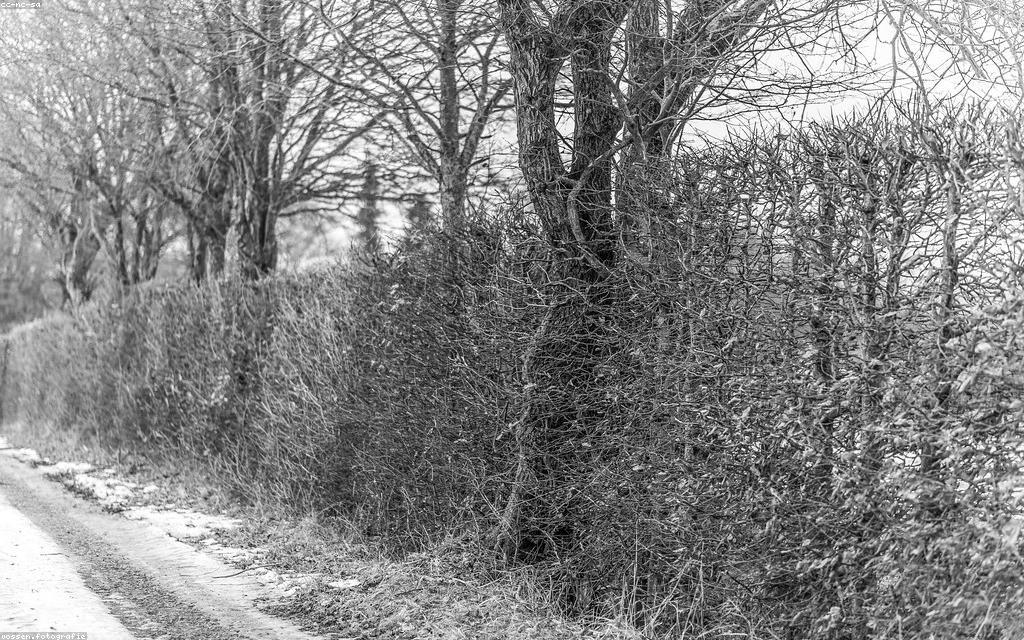
Few experiences capture the gentle charm of the British countryside quite like a riverside walk. Following the course of a river offers easy navigation, steady ground underfoot and the constant company of moving water. In this article we explore why riverside routes are such a brilliant choice and highlight what to look out for along the way.
A practical overview of this subject is offered by this guide as well.
Why follow a river
Rivers naturally seek the lowest, gentlest path through a landscape, which means riverside walks tend to be flat and forgiving. This makes them perfect for families, beginners and anyone wanting a relaxed day out. The water also acts as a clear handrail, so the risk of getting lost is far lower than on open moorland.
Wildlife along the water
Rivers are teeming with life if you slow down and watch. Keep an eye out for these familiar residents.
- Kingfishers: a flash of electric blue darting low over the surface.
- Herons: standing motionless at the water’s edge, waiting to strike.
- Dippers: small brown birds that bob on rocks in faster stretches.
- Damselflies: delicate and jewel-bright on warm summer afternoons.
Practical tips
Riverside paths can become muddy after rain, so waterproof footwear is wise even in summer. Watch for steep banks near the water and keep children and dogs close in fast-flowing sections. Many riverside routes link up with quiet villages, so it is worth planning a stop at a tea room or bench with a view.
Whether you have an hour or a full afternoon, a riverside walk rewards you with calm scenery and the soothing sound of running water. It is one of the simplest pleasures the British outdoors has to offer.