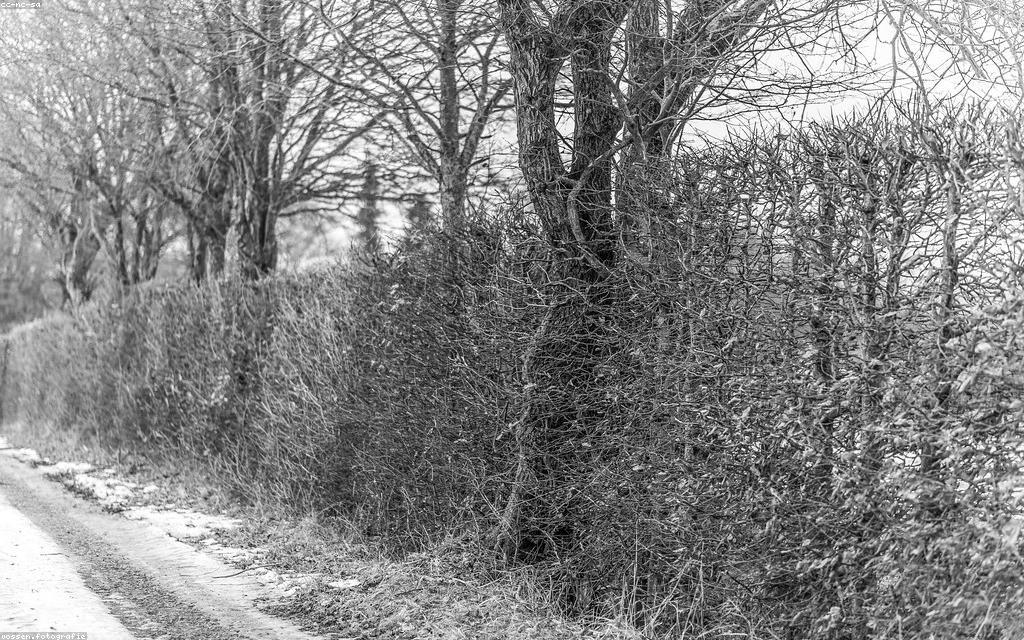
How to Step Up to Gentle Hill Walking

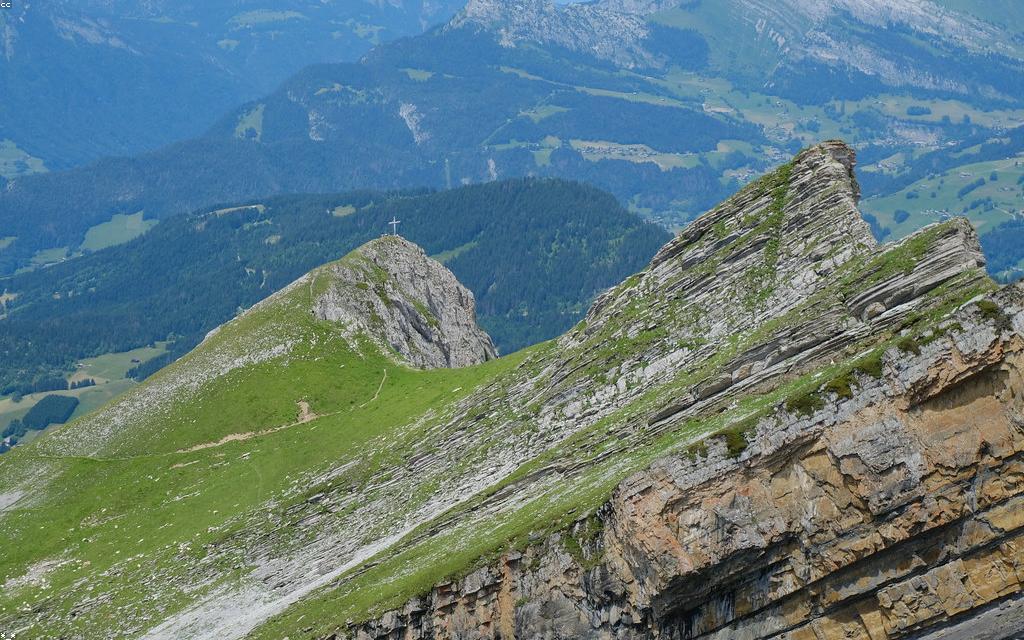
There is something deeply satisfying about reaching a hilltop under your own steam, with the patchwork of the countryside spread out below. Hill walking asks a little more of you than a lowland stroll, but the rewards are well worth the effort. This guide explains how to step up to gentle hill routes safely and enjoyably.

Building up to the hills

Before tackling a proper climb, make sure you are comfortable with longer flat walks. Hills add both physical effort and navigational challenge, so a steady progression keeps things enjoyable rather than exhausting. Choose a clear, well-marked route for your first ascent and pick a settled weather window.

Pacing yourself on the climb

The secret to comfortable hill walking is a slow, sustainable rhythm. Rather than charging at the slope and stopping every few minutes, settle into a pace you can hold for a long stretch. Shorten your stride on steep sections and let your legs do the work while your breathing stays even. There is no rush; the summit is not going anywhere.

Navigation and conditions

Weather changes faster on high ground. Cloud can drop without warning, hiding the path and chilling the air. Carry a map and compass, and know roughly where you are at all times rather than relying on a single device. If visibility closes in and you are unsure of the way, it is safer to descend by the route you came up than to press on into unfamiliar ground.

Looking after the landscape

Upland environments are fragile. Stick to established paths to avoid eroding the hillside, take all litter home, and give grazing animals plenty of space. Many of these landscapes are lovingly maintained by local communities and conservation groups, and a light touch from walkers helps preserve them for years to come.

The reward at the top

Pause at the summit, find a sheltered spot, and take in the view you have earned. A flask of something warm tastes infinitely better at the top of a hill. When you are ready, descend carefully, watching your footing on loose or steep ground, and savour the quiet glow of a day well spent. Few things in the British outdoors compare to the simple triumph of a hill climbed slowly and well.

Seven Essentials Every Day Walker Should Pack

A well-packed rucksack is the unsung hero of a good day out. Carry too little and you risk being caught short; carry too much and every hill feels twice as steep. This short list covers the essentials that earn their place in your bag on a typical British day walk.

Readers who want to dig deeper can find more at Khosimcuatui.

Detailed guidance on this topic is also available via dietmoitangocnghean.com.

  • Waterproof jacket: the single most useful item, regardless of the morning forecast.
  • Spare layer: a light fleece for when you stop and cool down quickly.
  • Water: at least one litre, more on warm days or longer routes.
  • Food: lunch plus a couple of snacks to keep energy levels steady.
  • Map and compass: reliable even when phone batteries fade.
  • First-aid kit: small but vital, with blister plasters near the top.
  • Hat and gloves: packable and surprisingly handy on exposed ground.

Keeping the weight down

Lay everything out before you pack and ask whether each item truly earns its place. Choose lightweight versions where you can, and avoid the temptation to bring duplicates. A comfortable load lets you focus on the views rather than your aching shoulders.

Pack these basics, adjust for the season, and you will be ready for whatever the trail offers without weighing yourself down.

Common Questions From New Walkers, Answered

New to walking and full of questions? You are not alone. Here we answer some of the queries we hear most often from people just starting to explore the British countryside.

How far should a beginner walk?

Start with three to five miles on gentle ground. Build up gradually as your stamina improves, and do not be tempted to leap straight into long hill walks. Listen to your body and enjoy the scenery rather than chasing distance.

Do I need expensive gear?

No. A waterproof jacket, comfortable footwear and a small rucksack will see you through most lowland walks. You can add specialist kit later as you discover what kind of walking you enjoy most.

What should I do if the weather turns?

Always carry waterproofs and an extra layer, even on a sunny morning. If conditions become genuinely poor, turn back early; there is no prize for pushing on in driving rain. Knowing when to stop is a sign of a sensible walker, not a timid one.

Is it safe to walk alone?

Many people enjoy solo walks, but tell someone your route and expected return time, and stick to well-used paths until you feel confident. A charged phone and a paper map are sensible companions on any solo outing.

Where can I find good routes?

Local libraries, tourist information centres and waymarked trail networks are excellent starting points. Once you have a few walks under your belt, you will start spotting promising paths everywhere you go.

Walking Boots Compared: Which Type Suits You

Choosing your first pair of walking boots is one of the best investments you can make as a budding rambler. The right boots keep your feet dry, supported and blister-free, while the wrong pair can ruin an otherwise glorious day. This comparison breaks down the main types so you can decide what suits your walking.

The main categories

  • Trail shoes: lightweight and flexible, ideal for dry, well-maintained paths and shorter walks. They breathe well but offer little ankle support.
  • Mid-weight boots: the all-rounder for most British conditions, with a supportive ankle cuff and a waterproof membrane. A sensible first choice for mixed terrain.
  • Heavy mountain boots: stiff and rugged for serious upland and winter use. Overkill for gentle countryside strolls.

Fit matters most

Whatever style you choose, fit beats brand every time. Always try boots on in the afternoon when your feet are slightly swollen, and wear the socks you intend to walk in. There should be enough room to wiggle your toes, with your heel held firmly in place. A short ramp in the shop helps you check that your toes do not slide forward on descents.

Caring for your boots

Once you have found your pair, look after them. Knock off mud after each walk, let them dry naturally away from direct heat, and reproof the waterproof layer once or twice a year. Treated well, a good pair of boots will give you hundreds of happy miles.

For most newcomers exploring the lowland trails and hills of Britain, a comfortable mid-weight boot strikes the ideal balance between support, weather protection and price.

The Quiet Joy of Riverside Walking

Few experiences capture the gentle charm of the British countryside quite like a riverside walk. Following the course of a river offers easy navigation, steady ground underfoot and the constant company of moving water. In this article we explore why riverside routes are such a brilliant choice and highlight what to look out for along the way.

A practical overview of this subject is offered by this guide as well.

Why follow a river

Rivers naturally seek the lowest, gentlest path through a landscape, which means riverside walks tend to be flat and forgiving. This makes them perfect for families, beginners and anyone wanting a relaxed day out. The water also acts as a clear handrail, so the risk of getting lost is far lower than on open moorland.

Wildlife along the water

Rivers are teeming with life if you slow down and watch. Keep an eye out for these familiar residents.

  • Kingfishers: a flash of electric blue darting low over the surface.
  • Herons: standing motionless at the water’s edge, waiting to strike.
  • Dippers: small brown birds that bob on rocks in faster stretches.
  • Damselflies: delicate and jewel-bright on warm summer afternoons.

Practical tips

Riverside paths can become muddy after rain, so waterproof footwear is wise even in summer. Watch for steep banks near the water and keep children and dogs close in fast-flowing sections. Many riverside routes link up with quiet villages, so it is worth planning a stop at a tea room or bench with a view.

Whether you have an hour or a full afternoon, a riverside walk rewards you with calm scenery and the soothing sound of running water. It is one of the simplest pleasures the British outdoors has to offer.

A Beginner Guide to Your First Country Walk

Planning your first proper country walk can feel daunting, but with a little preparation almost anyone can enjoy a rewarding day on the trail. This guide walks you through everything you need to think about before you set off, from choosing a route that matches your fitness to packing the right essentials and reading the landscape around you.

Choosing the right route

The most common mistake new walkers make is overestimating how far they can comfortably go. A good rule of thumb is to allow roughly twenty minutes for every mile on flat ground, then add extra time for hills and rest stops. For your first few outings, aim for a circular route of four to six miles with modest elevation. Circular walks are ideal because they return you to your starting point without retracing your steps, which keeps the day interesting.

Look for waymarked trails where possible. These are marked with coloured arrows or symbols on posts and stiles, making navigation far easier while you build confidence. Many of the loveliest British walks follow old drovers’ tracks, canal towpaths and riverside paths that stay relatively level.

What to pack

You do not need expensive equipment to begin, but a few essentials make all the difference between a pleasant day and a miserable one.

  • Footwear: sturdy trainers will do for dry, easy paths, but proper walking boots support your ankles on uneven ground.
  • Waterproofs: British weather is famously changeable, so a lightweight jacket is non-negotiable.
  • Water and snacks: carry at least a litre of water and a few high-energy snacks such as nuts or flapjack.
  • Map and compass: a paper map is a reliable backup even if you use a phone app.
  • First-aid basics: plasters, blister tape and any personal medication.

Reading the weather and the land

Always check the forecast the evening before and again on the morning of your walk. Hill weather can differ dramatically from the valley below, with temperatures dropping and cloud rolling in quickly. If conditions look poor, there is no shame in postponing; the hills will still be there next weekend.

As you walk, get into the habit of noticing landmarks behind you as well as ahead. This makes it far easier to retrace your steps if needed. Pay attention to field boundaries, stream crossings and changes in the path surface, as these often line up with features printed on your map.

Walking responsibly

The countryside is a shared space, and following the Countryside Code keeps it pleasant for everyone. Close gates behind you, keep dogs under control near livestock, take all your litter home and stick to marked paths where they cross farmland. A friendly hello to other walkers goes a long way too.

With a sensible route, the right kit and a little weather awareness, your first walk should leave you eager for the next. Start small, build steadily, and before long those four-mile loops will feel like a gentle warm-up.